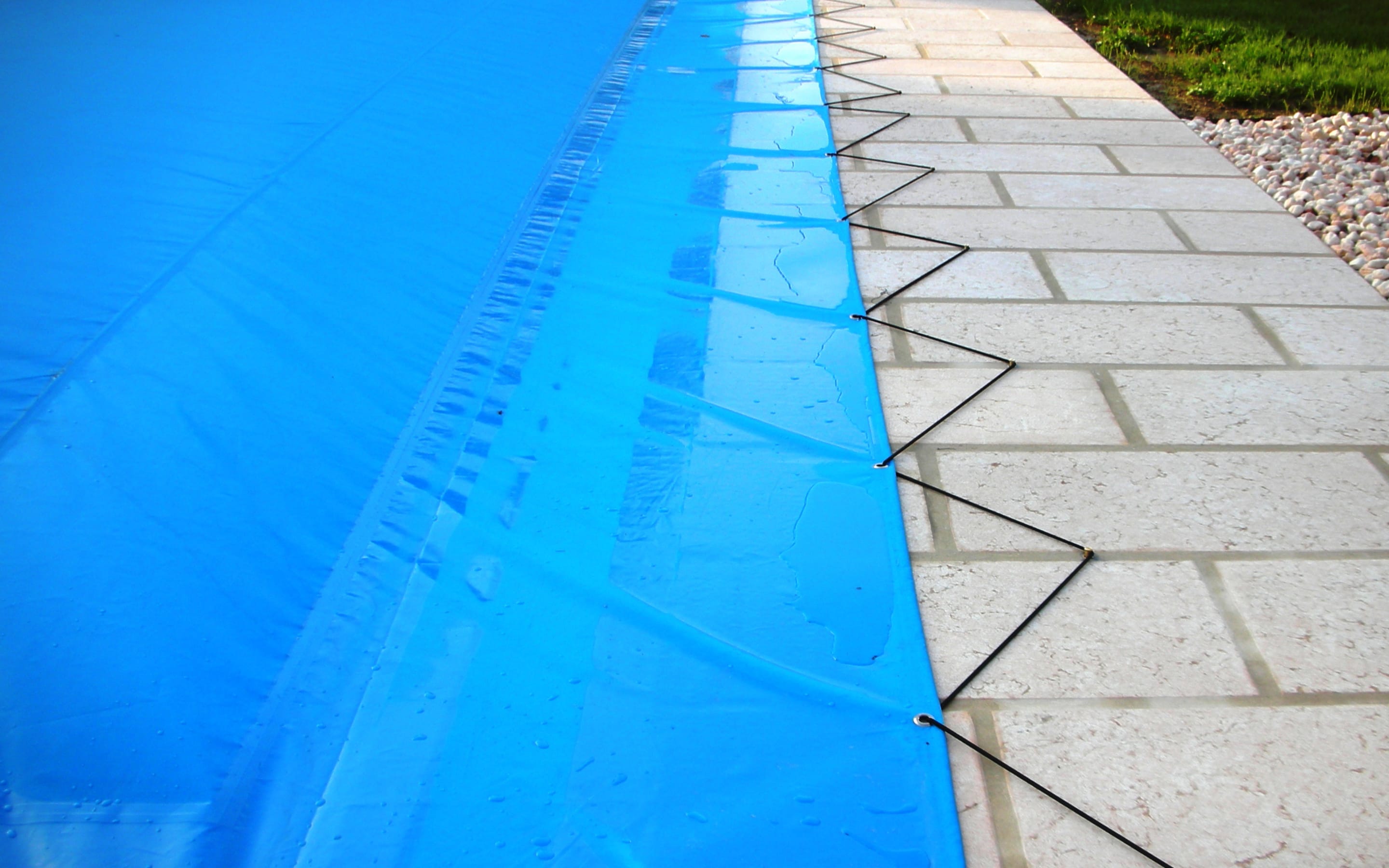
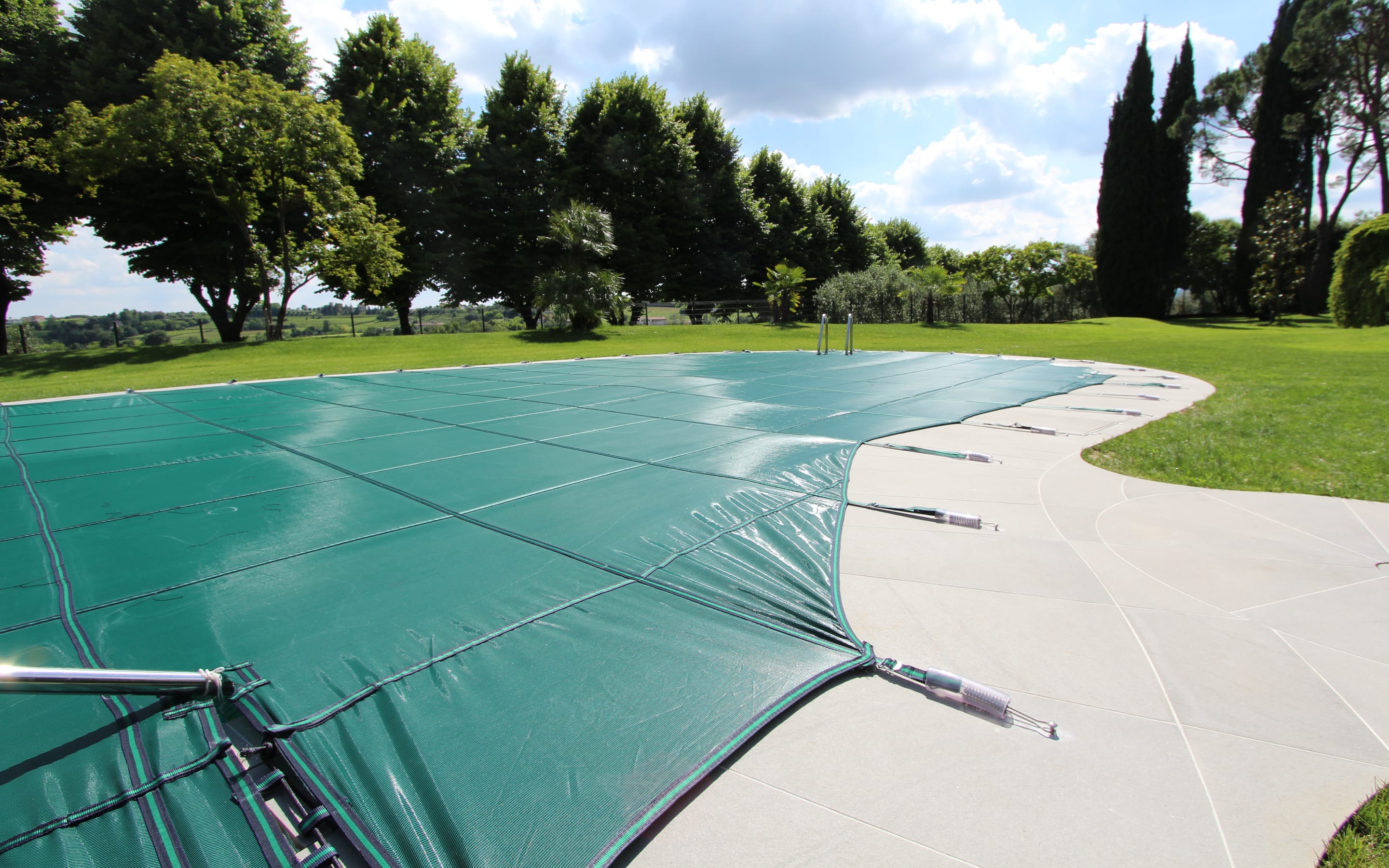
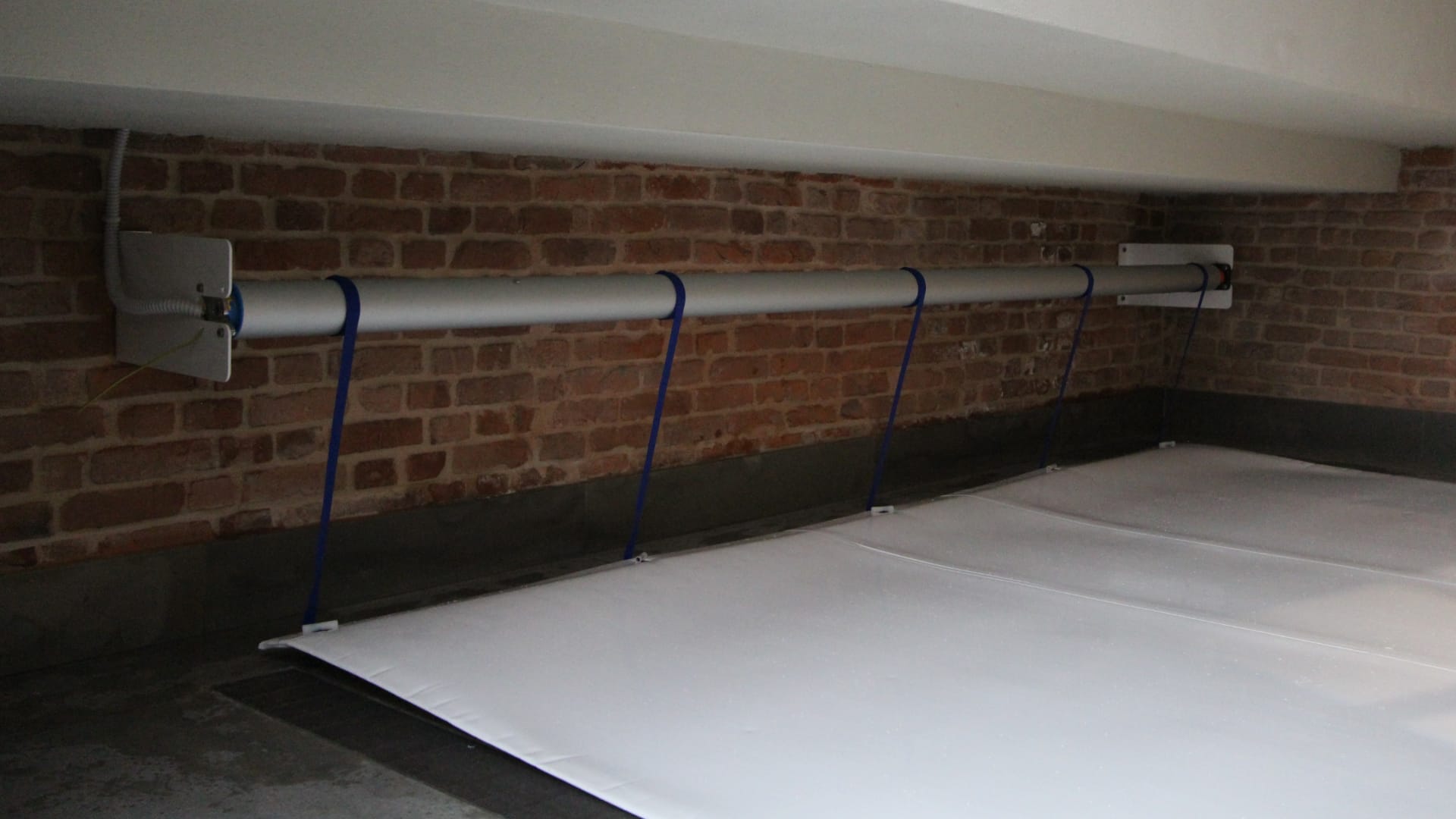
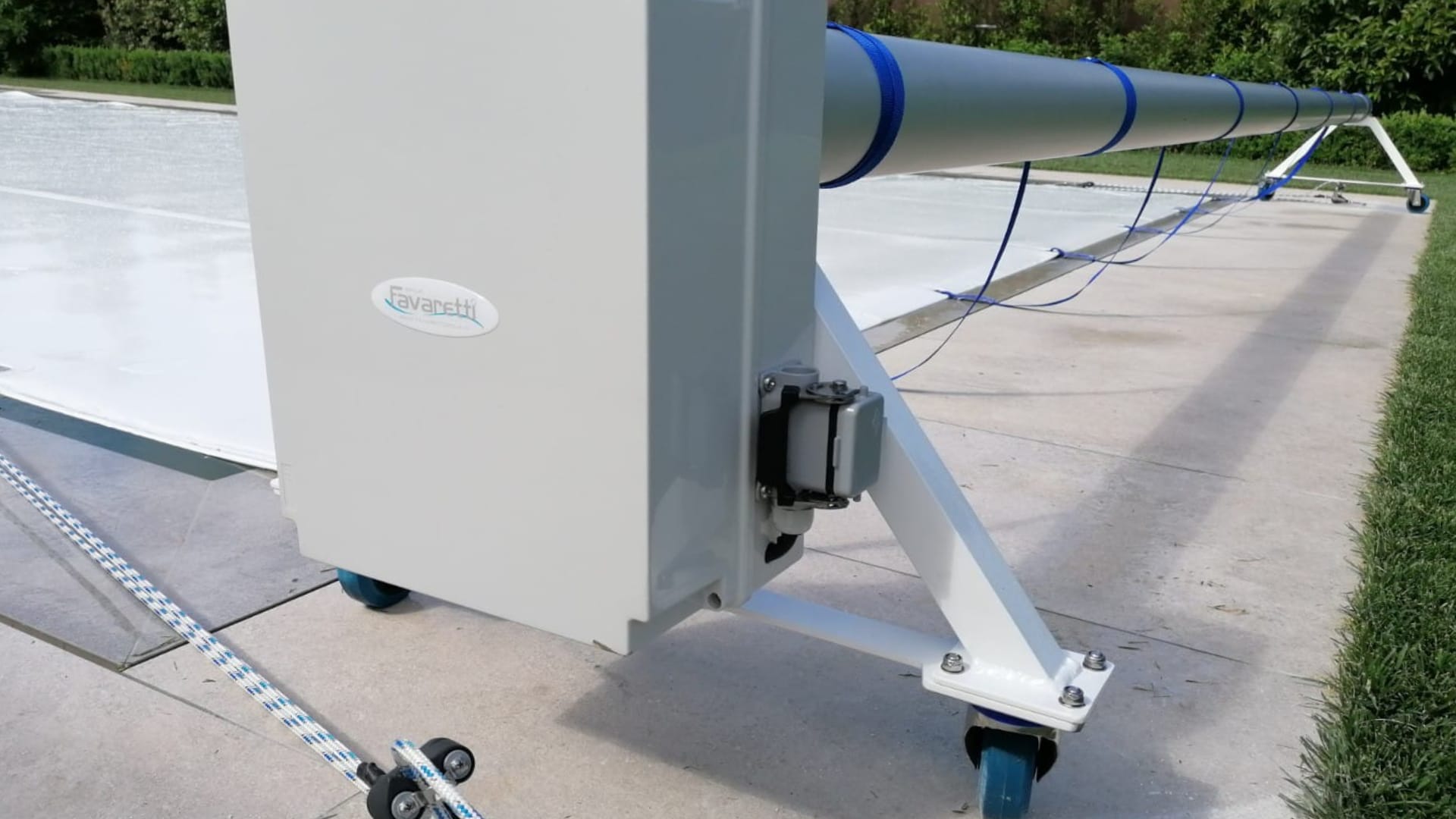
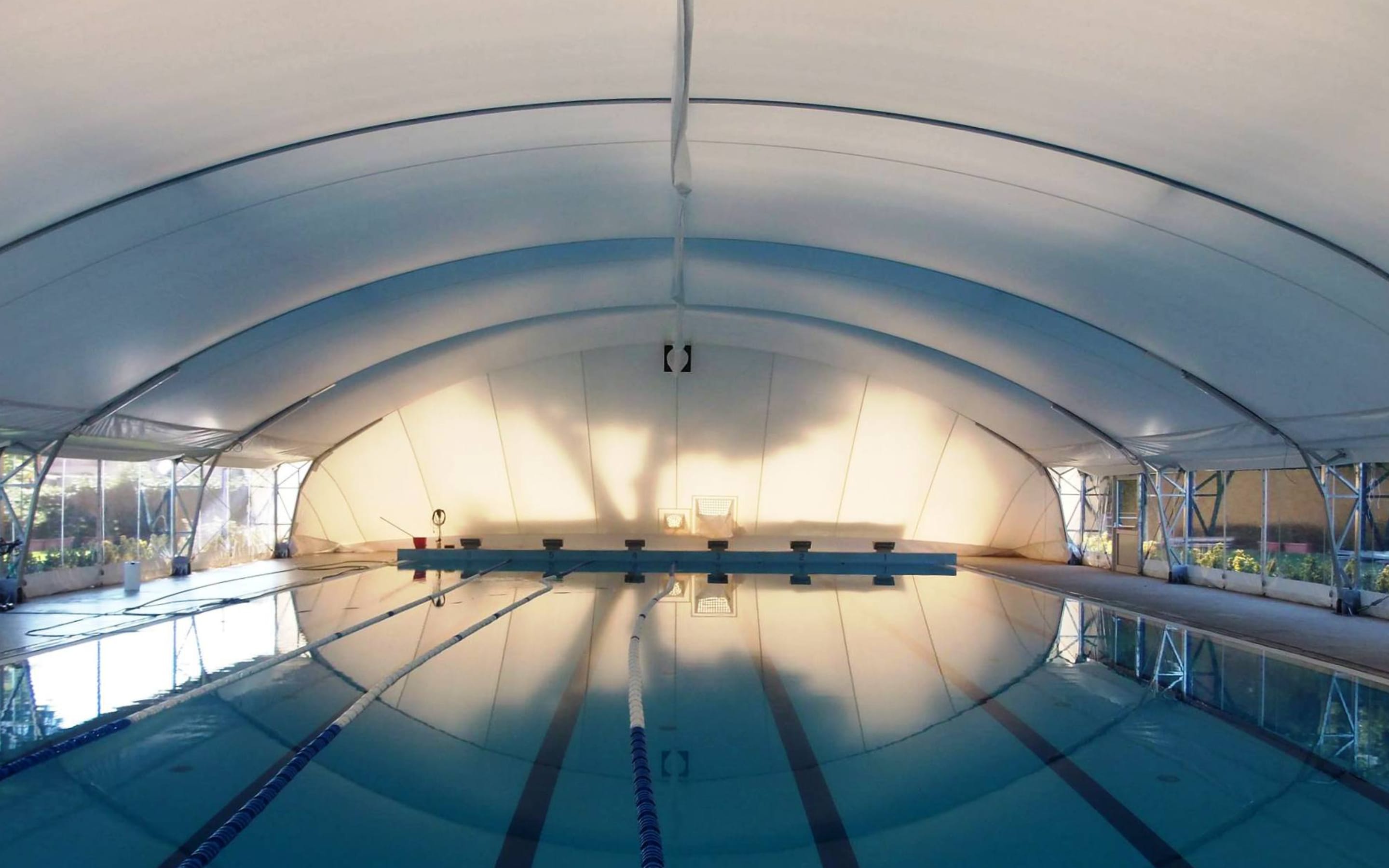
Why to cover a pool in winter?
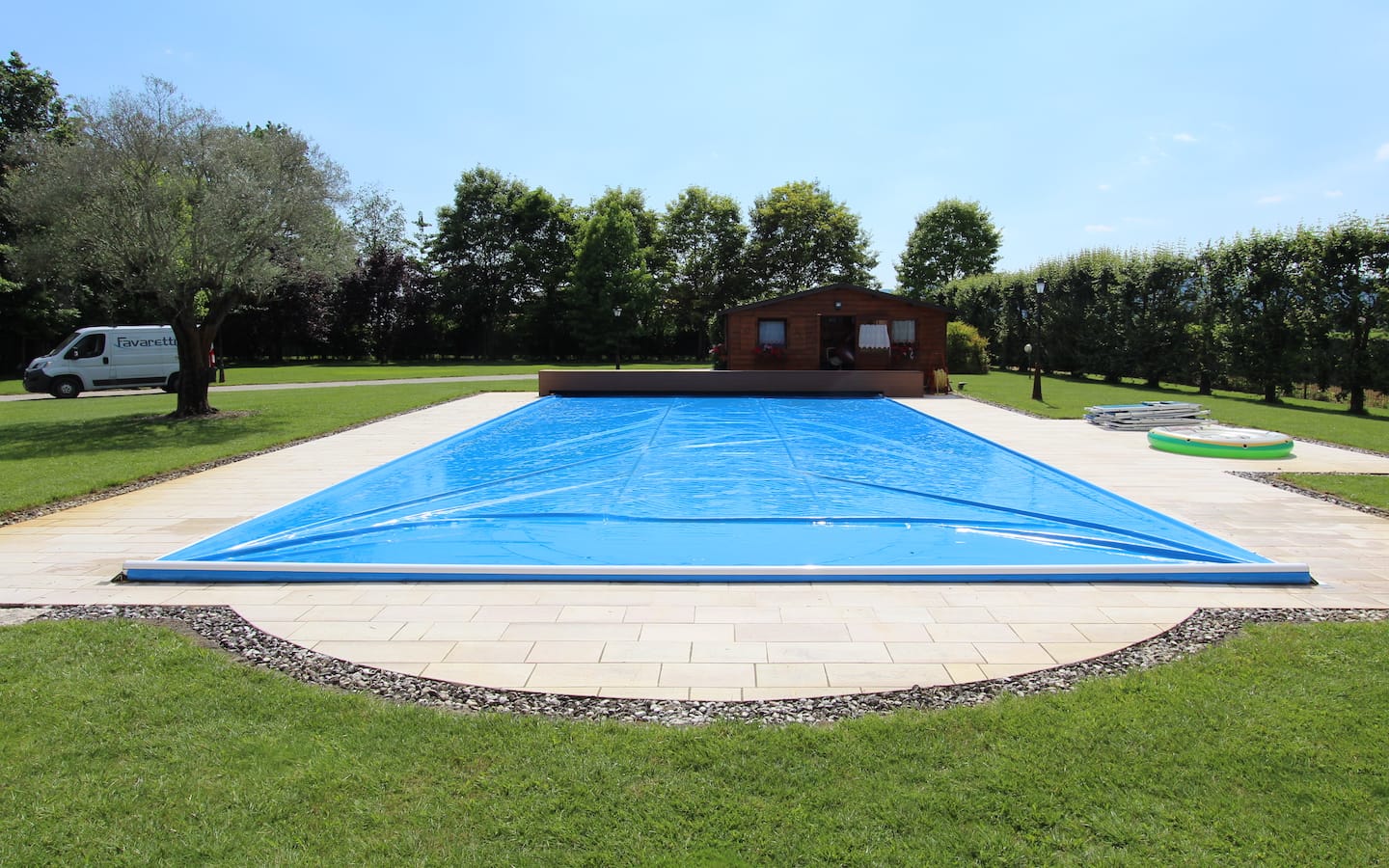
How to cover a pool in summer: a practical guide with tips and examples
Anyone who owns a pool already knows what it means to take care of it all year round: you think about covering the pool in winter to protect it from the cold, then you relax and wait for summer, convinced that a cover is no longer needed. In reality, it’s precisely during the hottest months that a pool requires the most attention. Water is more exposed to sunlight, wind-borne debris, and daily use, factors that put its cleanliness and performance to the test.
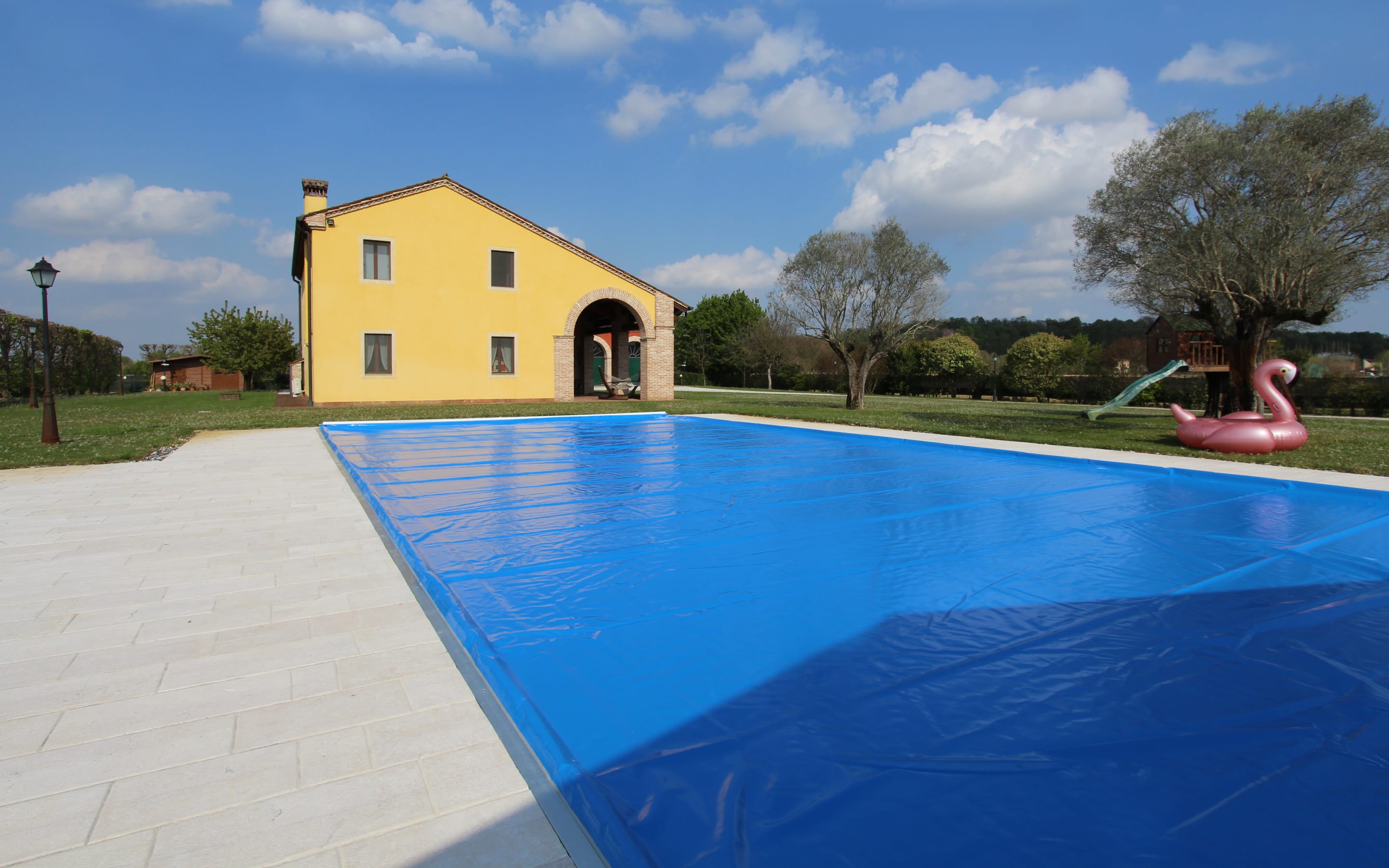
That’s why more and more owners choose to cover their pool even in summer. A pool cover isn’t an extra accessory, but a simple way to keep the water cleaner, reduce manual maintenance, and enjoy the pool without worries. In this guide, we’ll see how to do it, which covers to consider based on needs and habits, and the best practices to achieve truly effective results.
Why should you cover a pool in summer
Summer is when the pool is used the most, but it’s also the season when the water is most exposed to conditions that alter its balance and cleanliness.
- Wind: breezy days carry leaves, pollen, dust, and small debris directly into the pool. Beyond making the water less inviting, these residues increase the load on filters and require more frequent cleaning.
- Insects: mosquitoes, gnats, and small insects are attracted to water and easily end up in the pool. Their presence accelerates water deterioration and calls for more frequent treatments.
- Humidity: on warm, humid evenings, the environment becomes ideal for algae and bacteria to proliferate. This affects water clarity and requires increased use of chemicals.
- Evaporation: summer heat raises water temperature and speeds up evaporation. In a pool of about 50 m², losses can reach up to 150 liters per day, increasing refills and operating costs.
All these factors impact water quality, strain the system, and turn maintenance into a constant task. Covering the pool in summer helps address these issues at the source, keeping the water more stable, cleaner, and ready to use whenever needed.
Which pool covers to use in summer
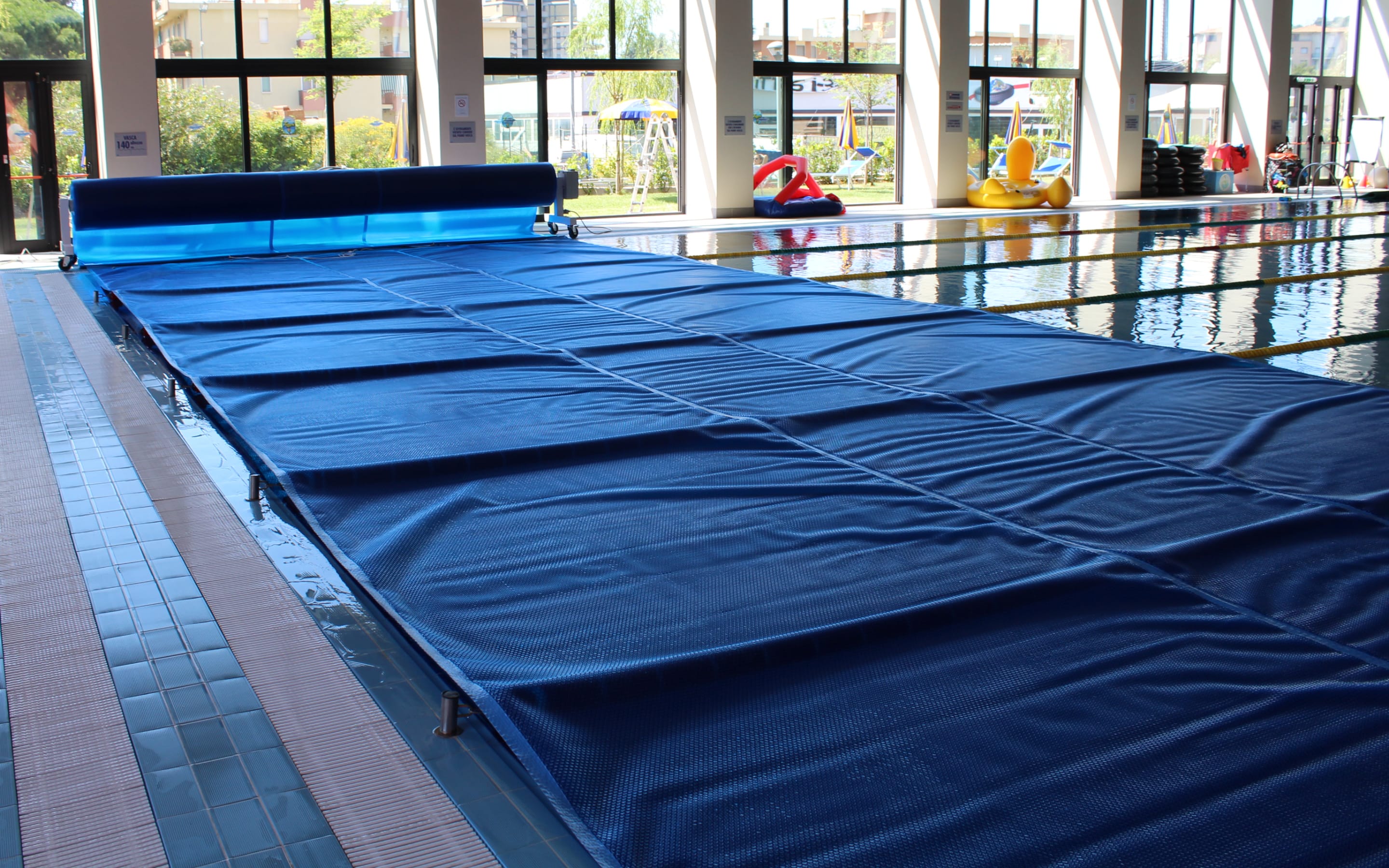
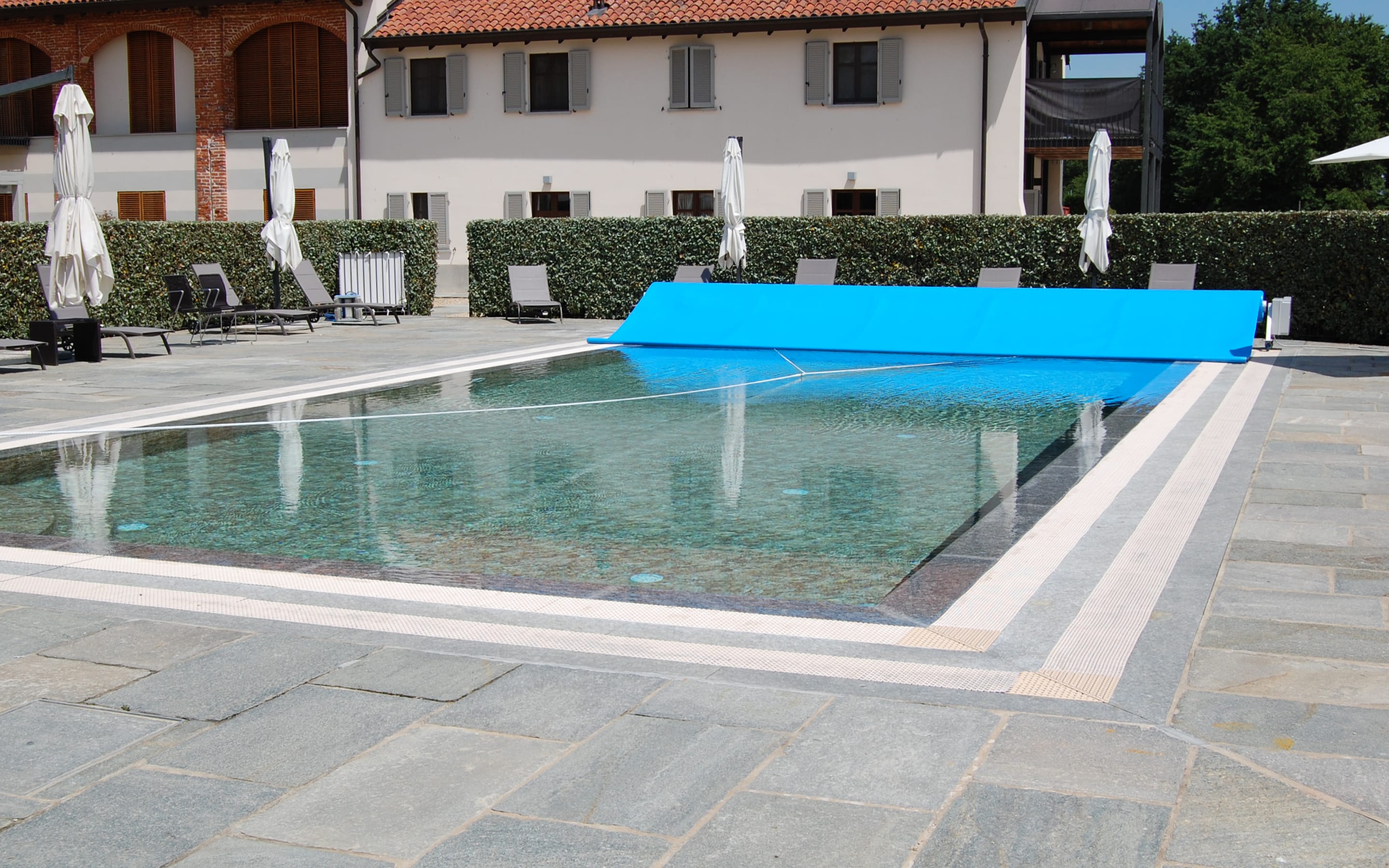
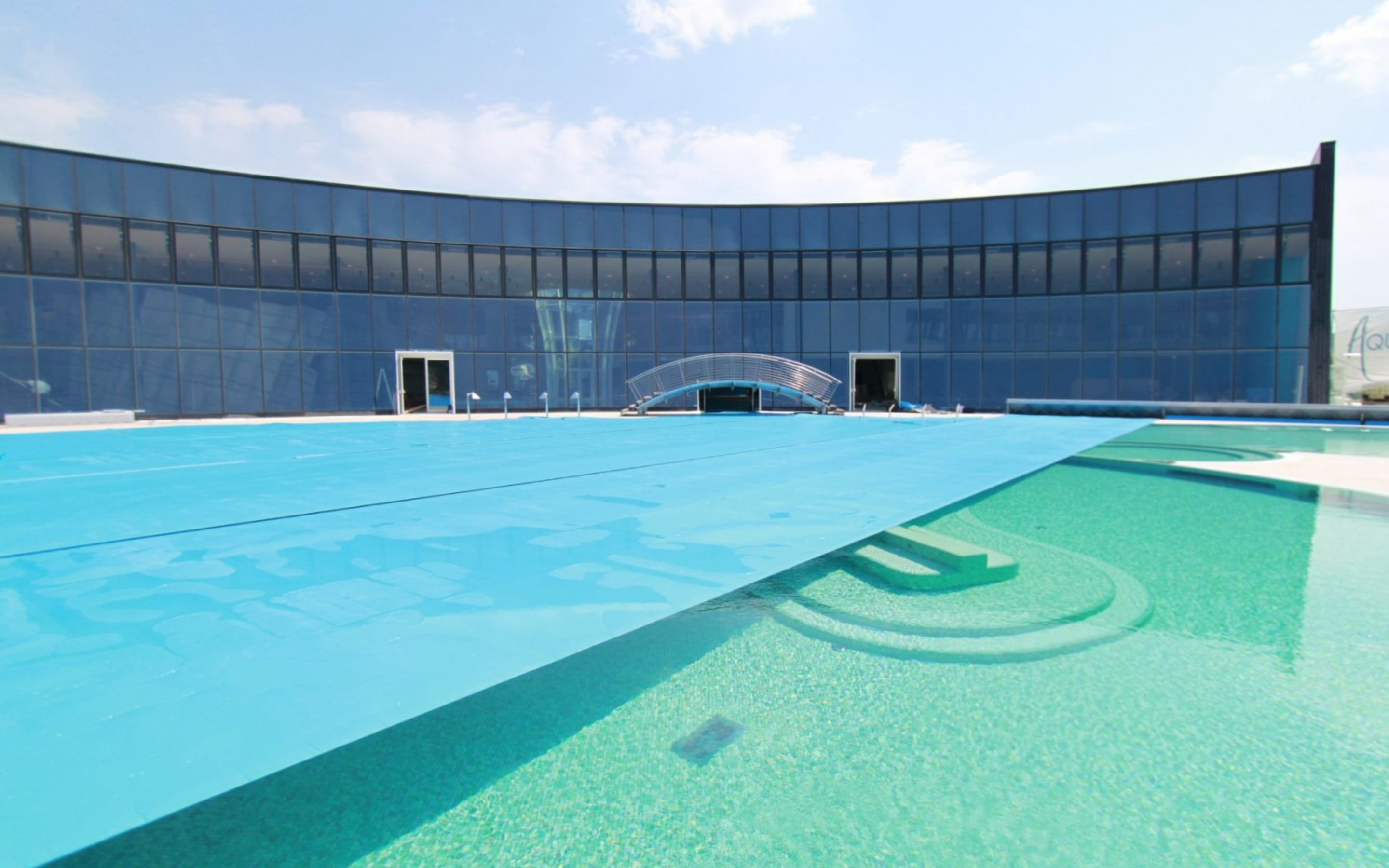
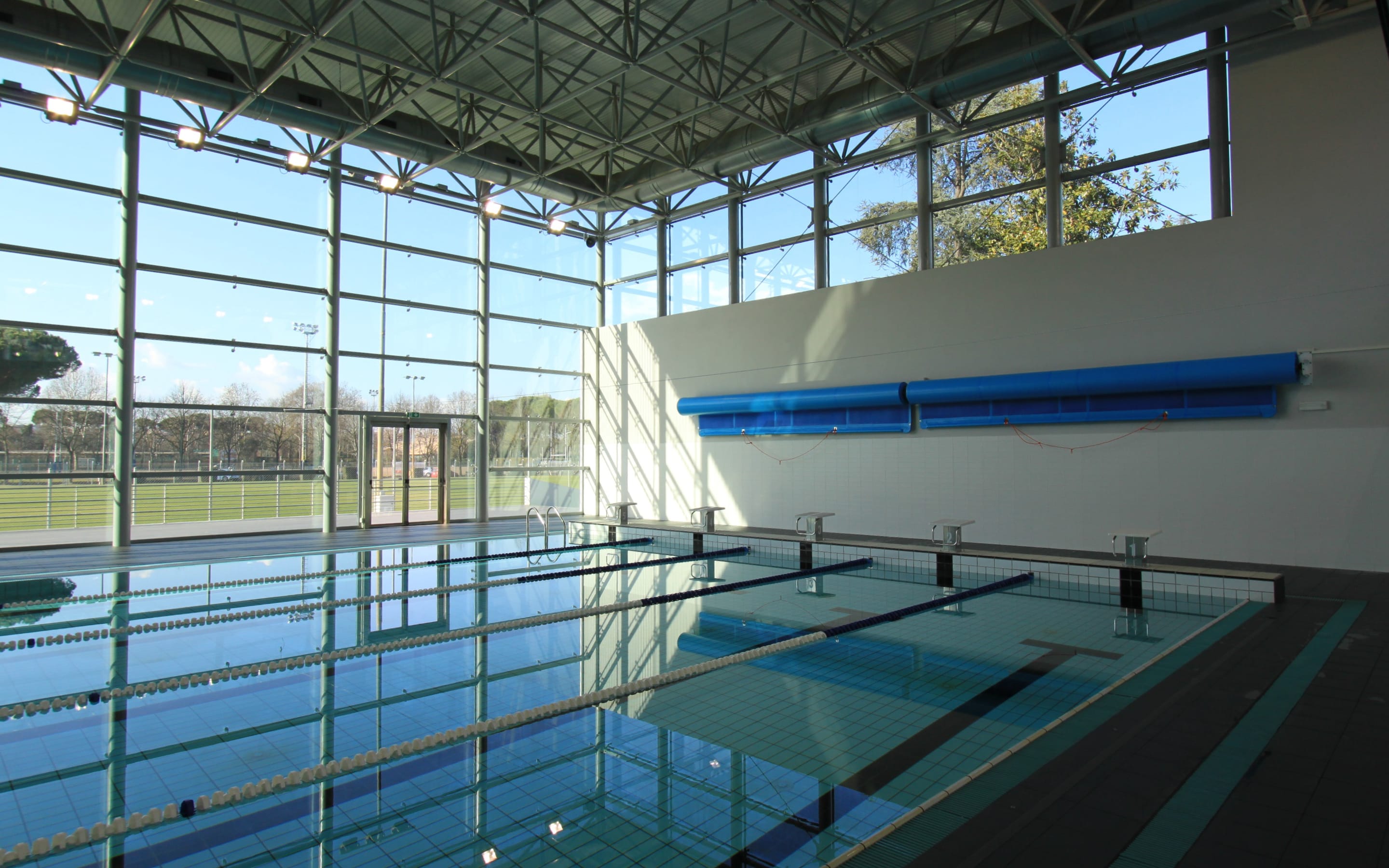
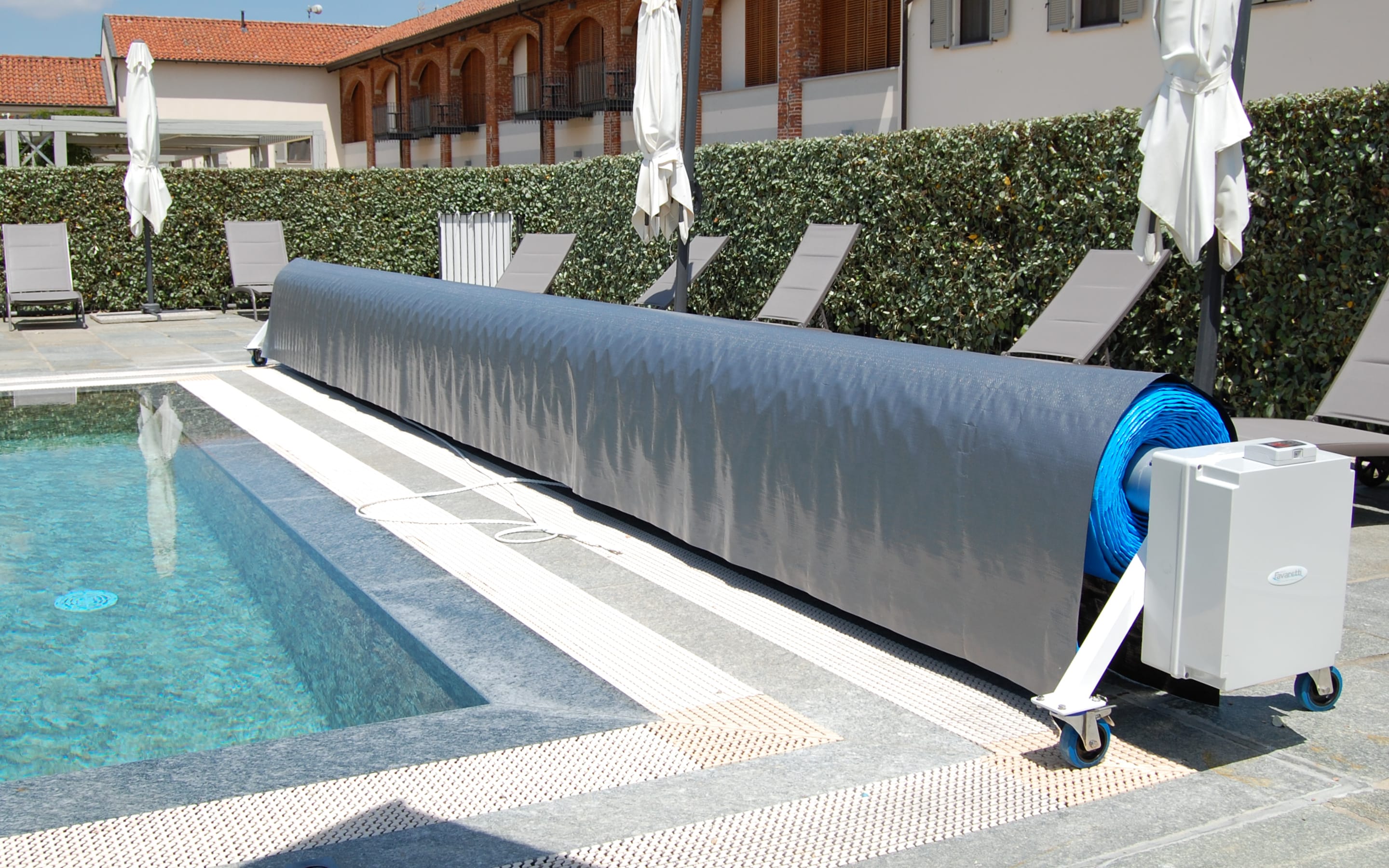
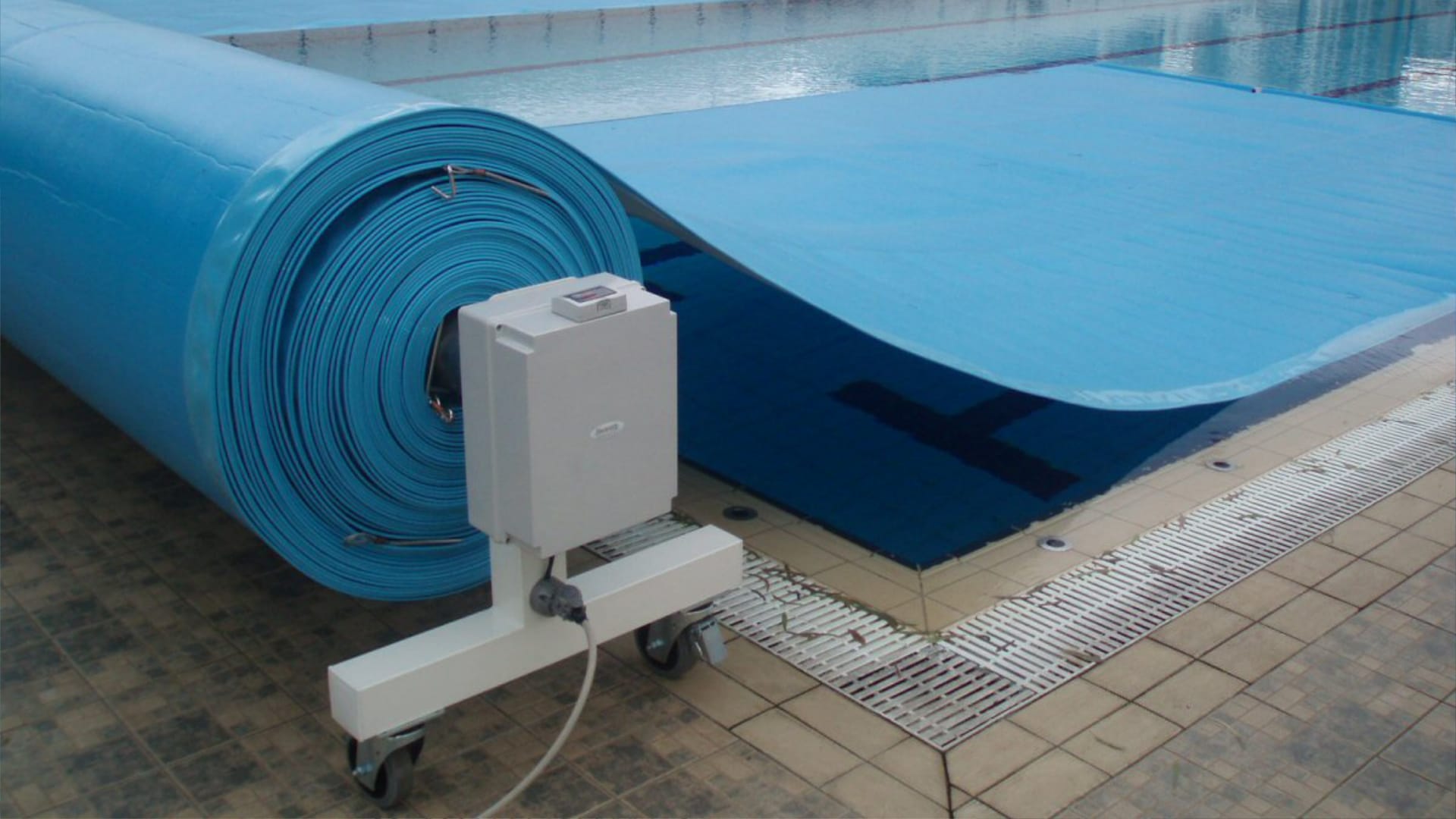
Understanding how to cover a pool in summer starts with choosing the solution best suited to how the pool is used. Below is a comparative table of the main Favaretti summer covers and their key features.
| Model | Features | Need |
|---|---|---|
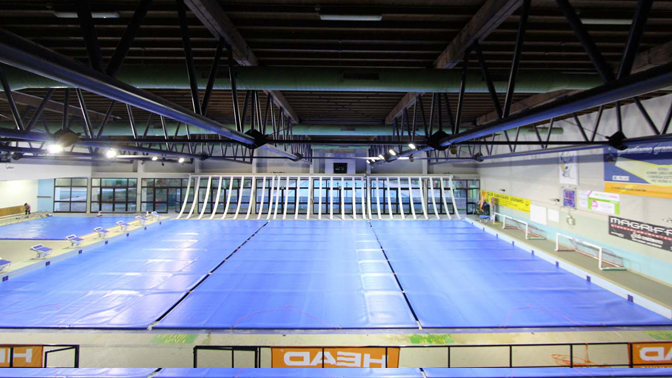
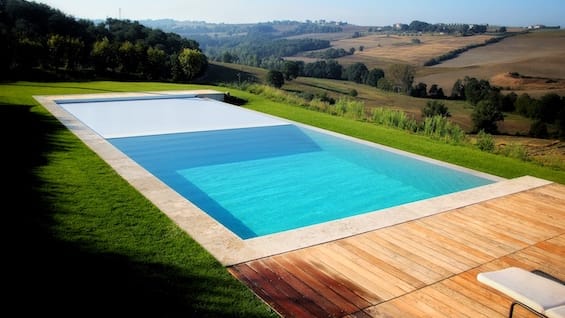
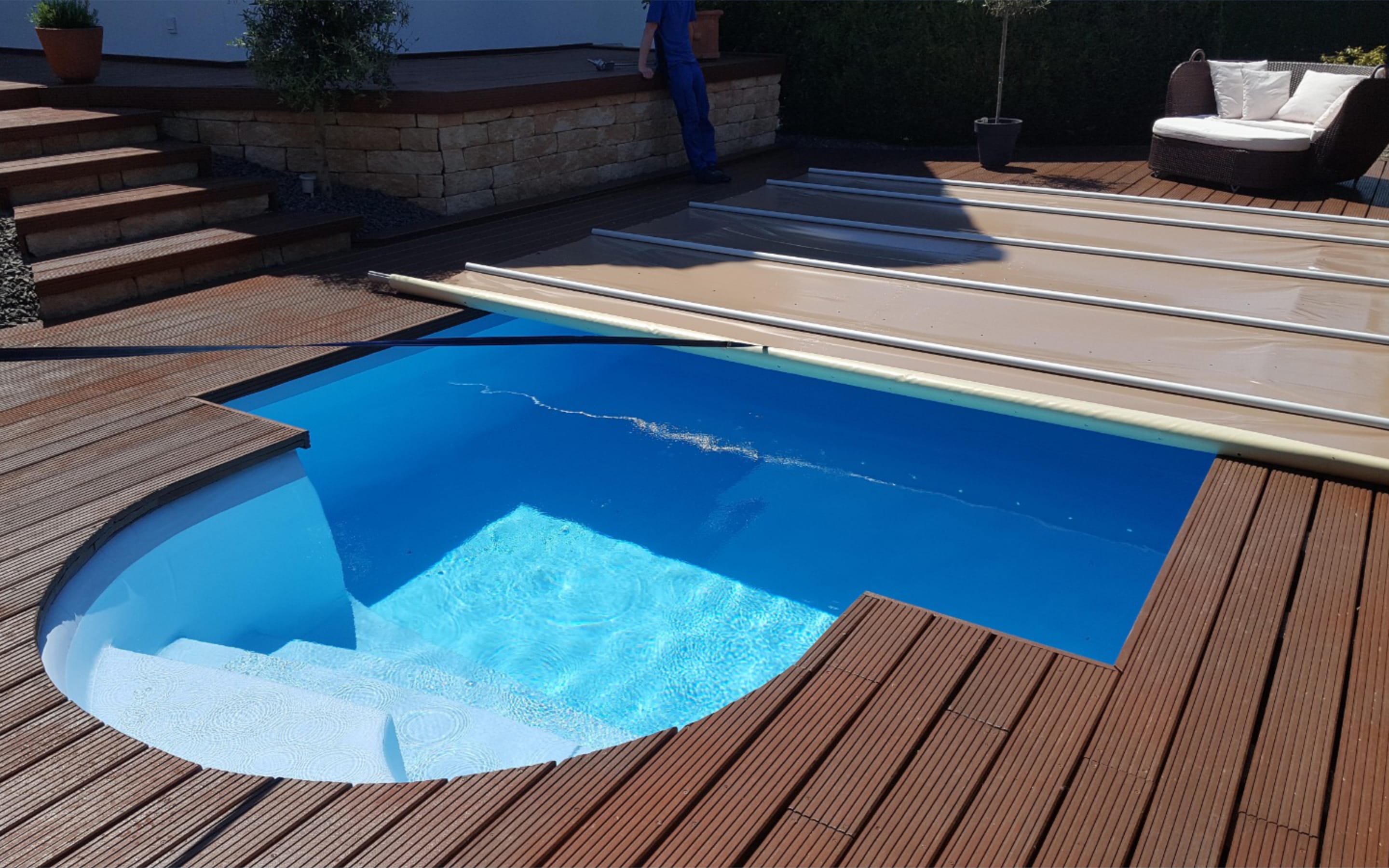
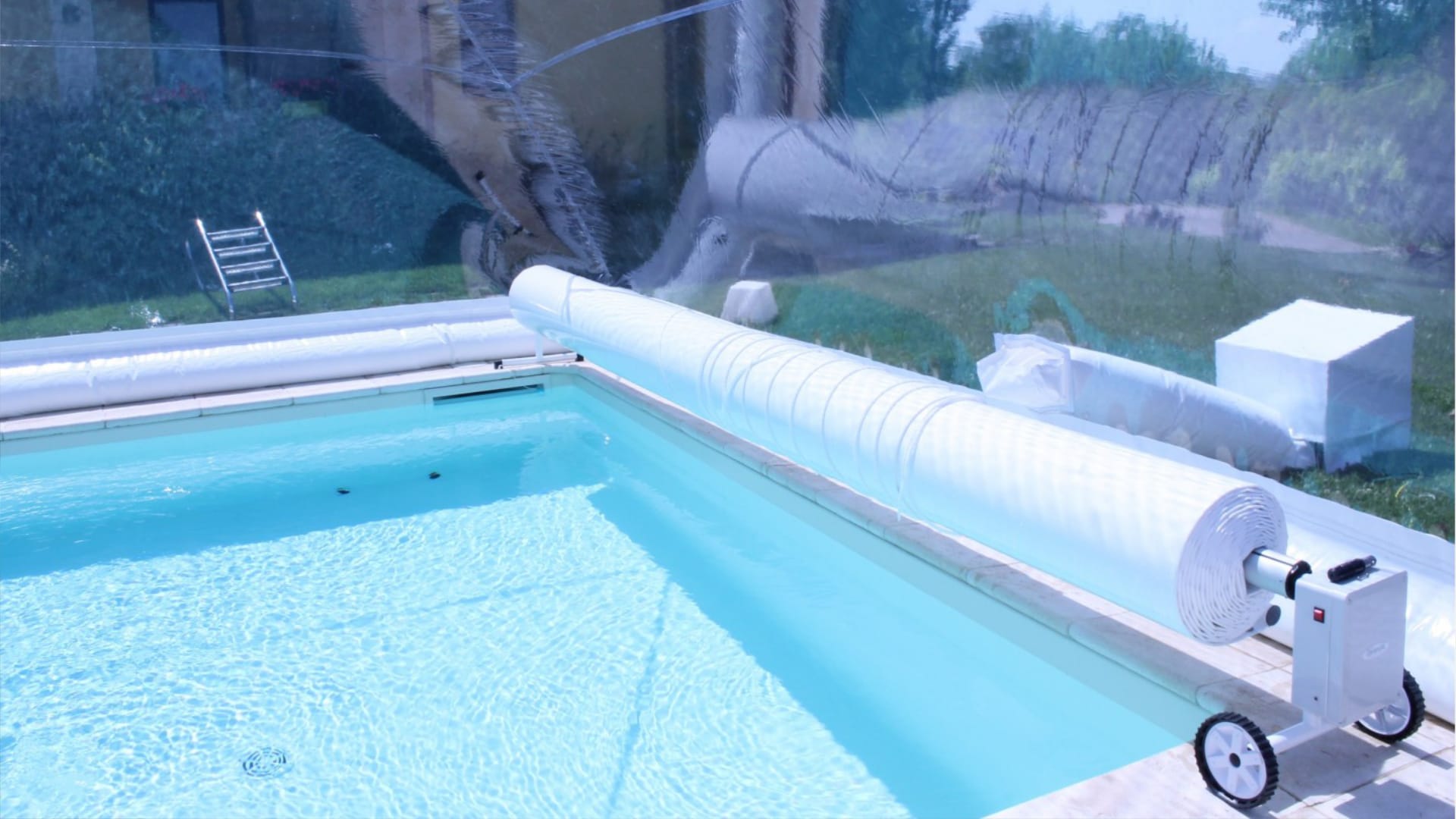
| Slatted Pool Covers | Designed to maintain water temperature and reduce evaporation. They retain heat accumulated during the day and limit nighttime heat loss, enabling significant water savings. | Energy and water savings |
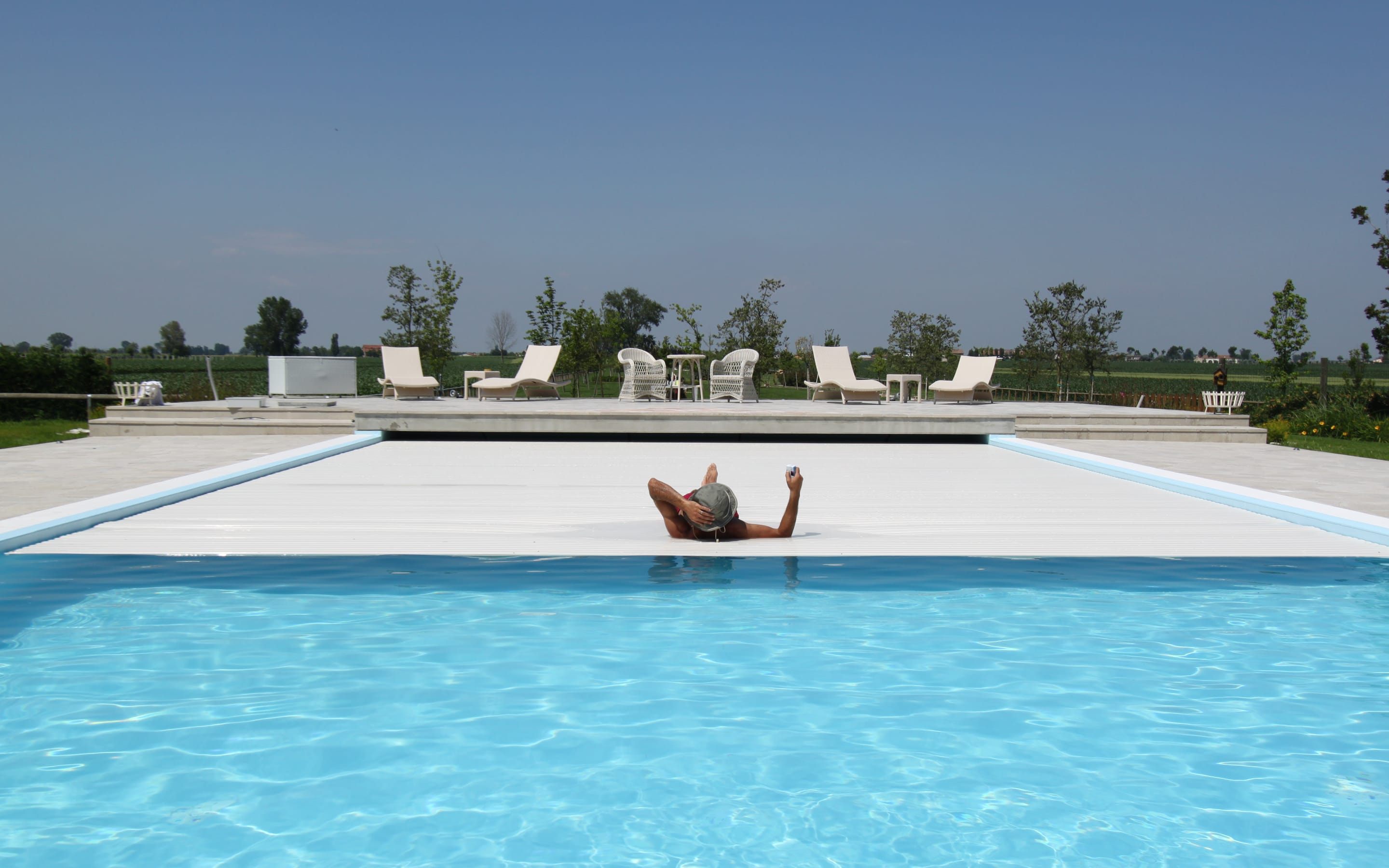
| Coverall Covers | Protect the pool from dirt and debris and, above all, reduce the risk of domestic accidents. Automatic closure makes the pool inaccessible when not in use, especially useful with children or pets. | Maximum safety |
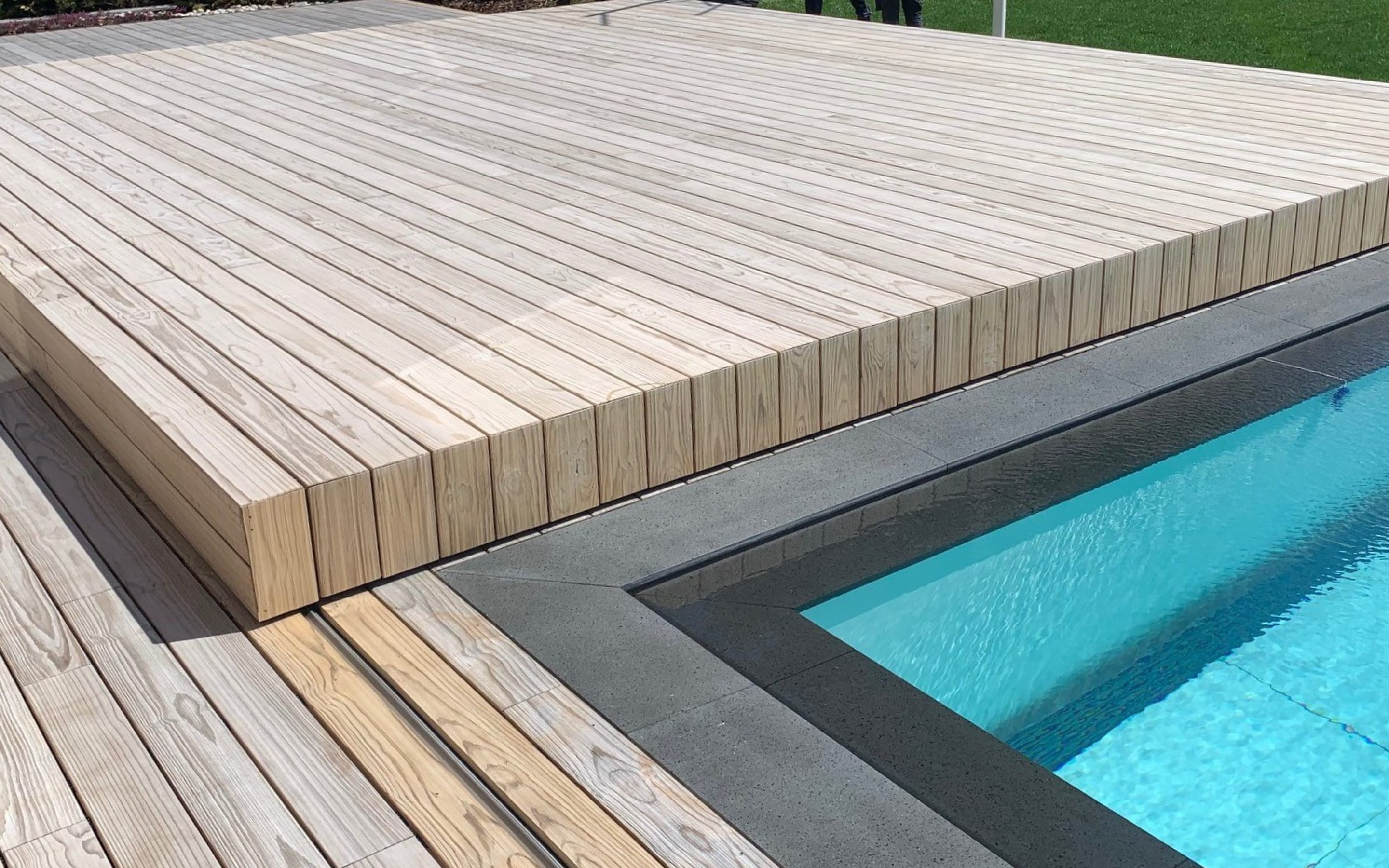
| Isola Covers | Rigid, walkable structure customizable in materials. Turns the pool into a usable terrace, supporting up to 350 kg/m². Ideal for small gardens or for those who want a multifunctional cover. | Space recovery and optimization |
Frequently Asked Questions about covering a pool in Summer
Managing a pool cover in summer may seem simple, but small details make a big difference. To help you use it correctly and get all the benefits, here are answers to the most common questions.
When should I cover the pool?
On windy days, after the last evening swim, when the pool is not in use, and during extended absences. At these times, the cover protects the water from debris, dust, and temperature fluctuations.
Can I use a tarp to cover the pool?
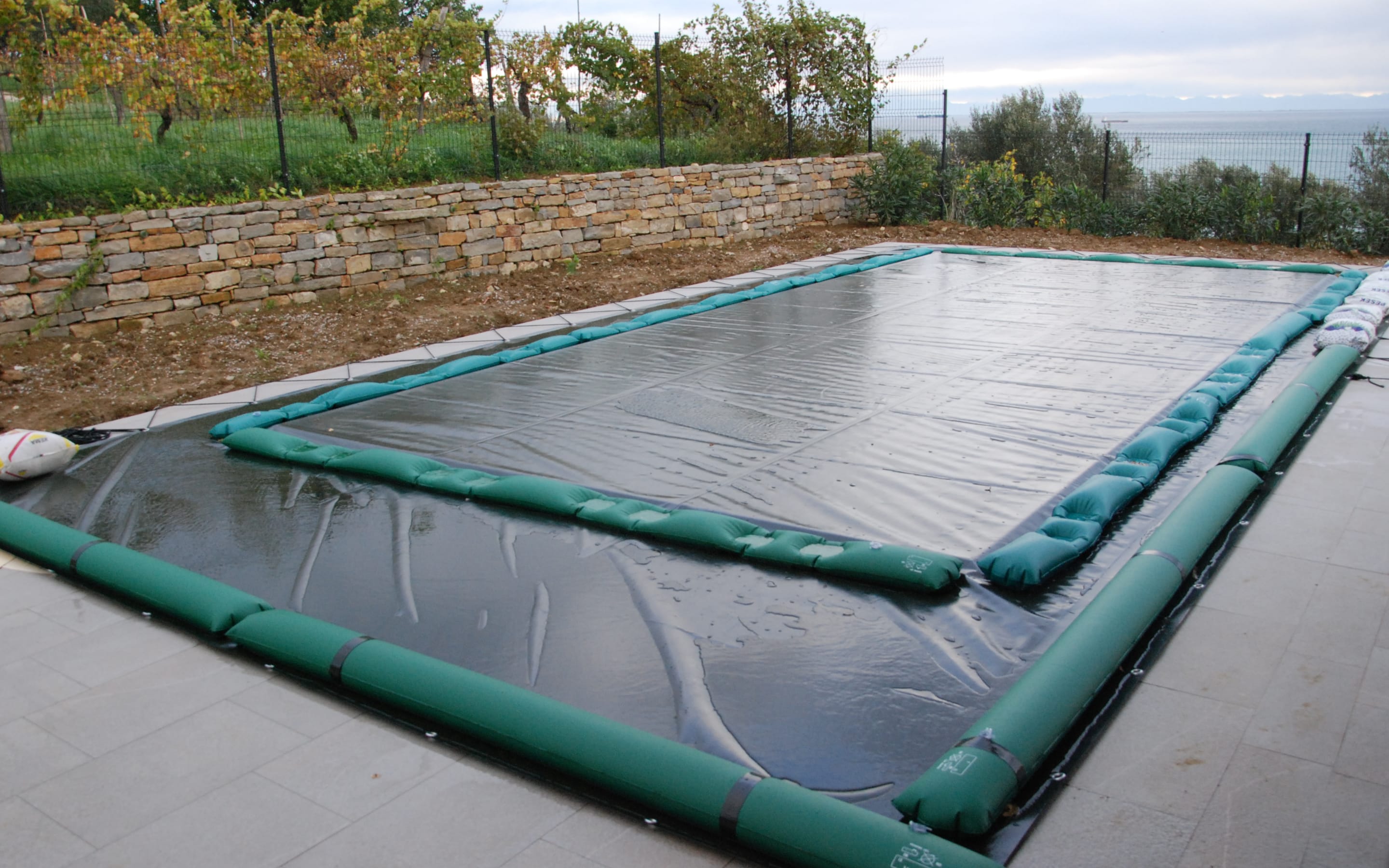
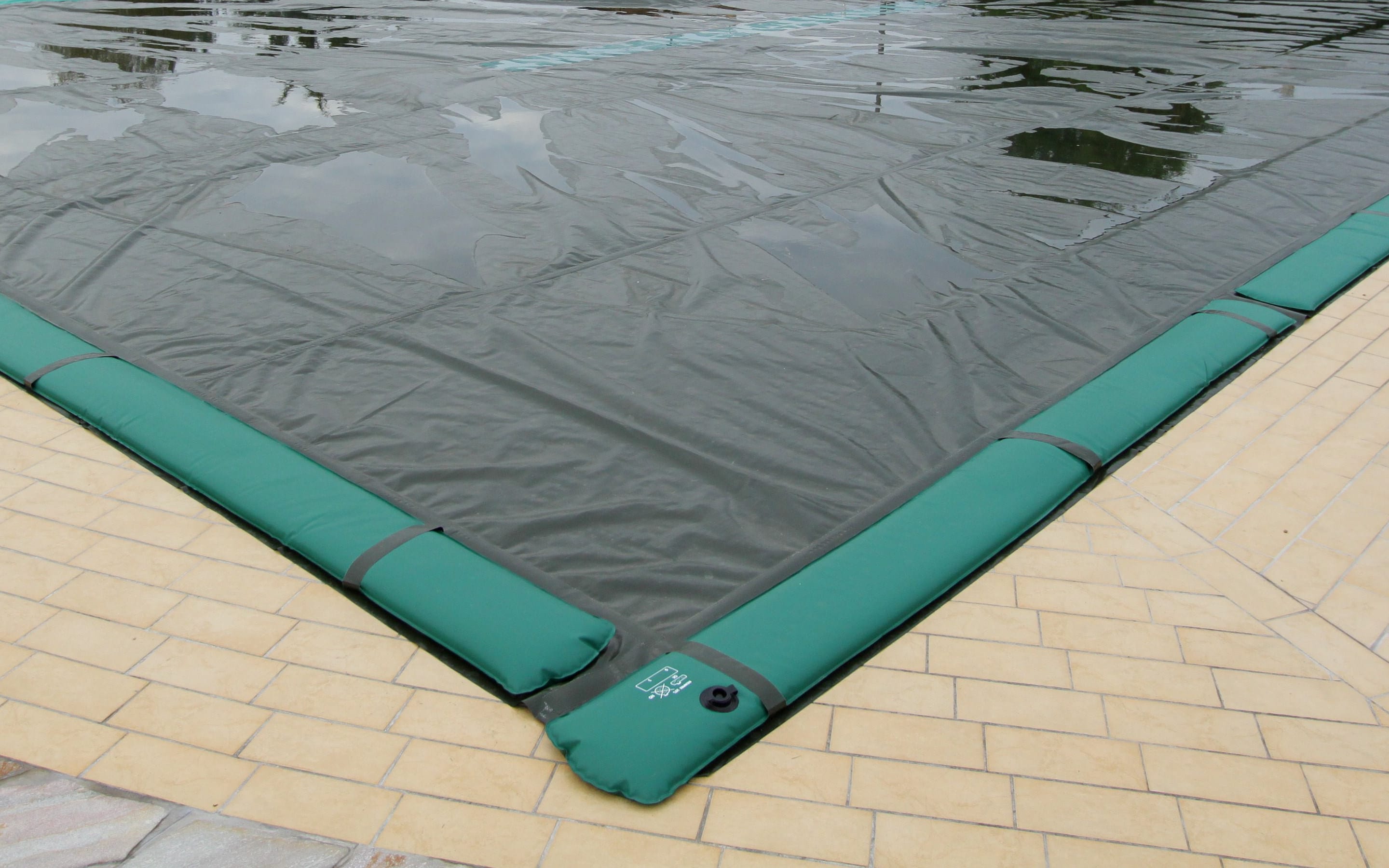
A generic tarp may seem quick and inexpensive, but it offers minimal protection. It doesn’t prevent evaporation, doesn’t insulate from external conditions, and often deteriorates quickly. It also tends to collect rainwater, is hard to position, and requires more attention during use.
How do I prepare the pool before covering it?
Before closing the cover, remove leaves, insects, and other residues from the surface to prevent fermentation or unpleasant odors. Check the water level: if too low, the cover may stretch and be damaged; if too high, it can cause pooling. Finally, inspect anchors or fastening systems, especially after windy days or heavy rain.